
Bed Bug Identification Guide: What Bed Bugs Look Like, Signs & Size
Bed bugs are small, flat insects that can be difficult to spot, especially during the early stages of activity. Adult bed bugs are typically brown to reddish-brown, with a broad, flattened body measuring up to around 6 mm long.
If you are unsure whether an insect or mark you have found is linked to bed bugs, use this guide to compare their appearance, size, common signs and typical hiding places.
What do bed bugs look like?
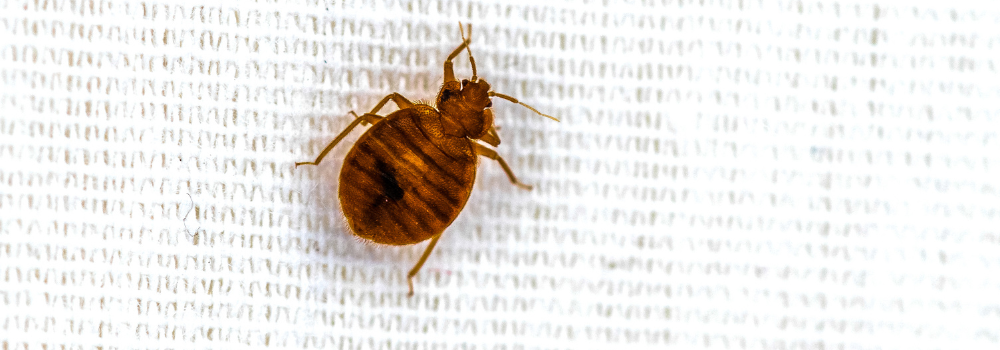
Adult bed bugs are wingless insects with a broad, oval and flattened body. They are generally brown to reddish-brown and can appear fuller and darker after feeding.
Their flat shape allows them to hide in very narrow cracks and crevices around beds, furniture and surrounding areas.
What colour are bed bugs?
Adult bed bugs are generally brown to reddish-brown. Younger bed bugs, known as nymphs, are smaller and usually much paler, making them harder to notice.
Colour alone is not enough to identify a bed bug, so it is useful to compare body shape, size and where the insect was found.
How big are bed bugs?
Adult bed bugs can measure up to around 6 mm long. Younger stages are considerably smaller and can therefore be more difficult to see.
Adult bed bugs are visible to the naked eye, but their small size and habit of hiding in narrow spaces can make them difficult to find.
Bed bug size comparison
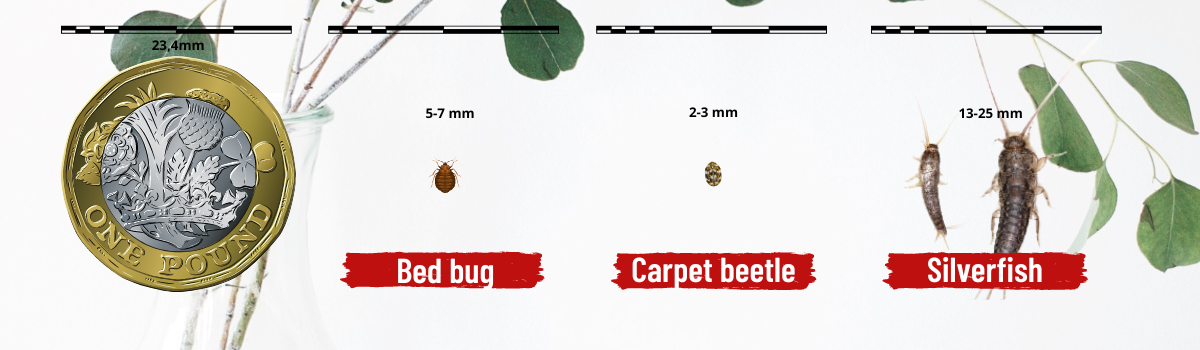
Several common household insects can initially be mistaken for bed bugs.
- Bed bugs: small, broad, flattened and brown to reddish-brown.
- Carpet beetles: generally smaller, more rounded and often have a mottled or patterned appearance.
- Silverfish: longer and narrower, with a silver-grey body and distinctive tail bristles.
If the insect is long and silver-grey with visible tail bristles, it is unlikely to be a bed bug. A very small, rounded and patterned insect may instead be a carpet beetle.
Common signs of bed bugs

Finding a live insect is the clearest indication, but bed bugs often remain hidden. Other signs can include:
- small dark spotting on mattresses, bedding or furniture
- small blood marks on bedding
- shed skins or eggs around hiding places
- live insects around mattress seams, bed frames or nearby furniture
- bites or irritated skin noticed after sleeping
Bites alone do not confirm bed bug activity. Similar skin marks can have many causes, so it is important to look for physical evidence around the sleeping area as well.
Where do bed bugs usually hide?
Bed bugs are commonly found close to places where people sleep or rest. When checking a room, pay particular attention to:
- mattress seams and edges
- bed-frame joints and screw holes
- headboards and bed bases
- skirting boards near the bed
- bedside furniture
- sofas and upholstered furniture
- cracks and crevices nearby
A torch can make it easier to inspect narrow gaps and darker areas around furniture.
Bed bugs or another household pest?
Finding a small insect indoors does not automatically mean you have bed bugs. Carpet beetles, silverfish and other household insects can sometimes be mistaken for them.
Compare several characteristics together — especially size, colour, body shape and where the insect was found — rather than relying on a single feature.
What should you do if you suspect bed bug activity?
If you have found signs but are not yet certain that bed bugs are present, continue checking the area around the bed and nearby furniture.
Our Bed Bug Traps with Attractant – 5 Monitoring Traps are designed for early detection and ongoing monitoring of bed bug activity.
Monitoring traps are intended to help check for activity. They are not a standalone treatment for an established infestation.
Swedish red cedar oil and bed bug monitoring
If Swedish red cedar oil is already part of your household routine, continue to use it according to the product directions. Our Bed Bug Protection Kit combines household-use Swedish red cedar oil with bed bug monitoring products.
The monitoring element is intended to help detect activity. Swedish red cedar oil should not be relied upon as a standalone treatment for an established bed bug infestation.
Recently returned from a trip?
If you are concerned about bringing bed bugs home in luggage or clothing, read our guide to avoiding bringing bed bugs home from travel.
Frequently asked questions
Can you see bed bugs with the naked eye?
Yes. Adult bed bugs are visible to the naked eye and can measure up to around 6 mm long. Younger bed bugs are much smaller and paler.
What colour are bed bugs?
Adult bed bugs are generally brown to reddish-brown. Younger stages can appear much paler.
Are bites enough to confirm bed bugs?
No. Bites alone cannot reliably confirm bed bug activity. Look for additional signs such as live insects, spotting, blood marks, shed skins or eggs.
Where do bed bugs usually hide?
Common hiding places include mattress seams, bed frames, headboards, bedside furniture, skirting boards and nearby cracks or crevices.
Can carpet beetles be mistaken for bed bugs?
Yes. Small carpet beetles can sometimes be confused with bed bugs, but they are generally more rounded and often have a mottled or patterned appearance.